NTSB: Flooding, sinking and loss of tugboat Mangilao
- Safety Flash
- Published on 4 January 2021
- Generated on 27 October 2026
- IMCA SF 02/21
- 1 minute read
The National Transportation Safety Board of the United States (NTSB) has published a report entitled MAB 20-33 into the sinking of a tugboat.
What happened?
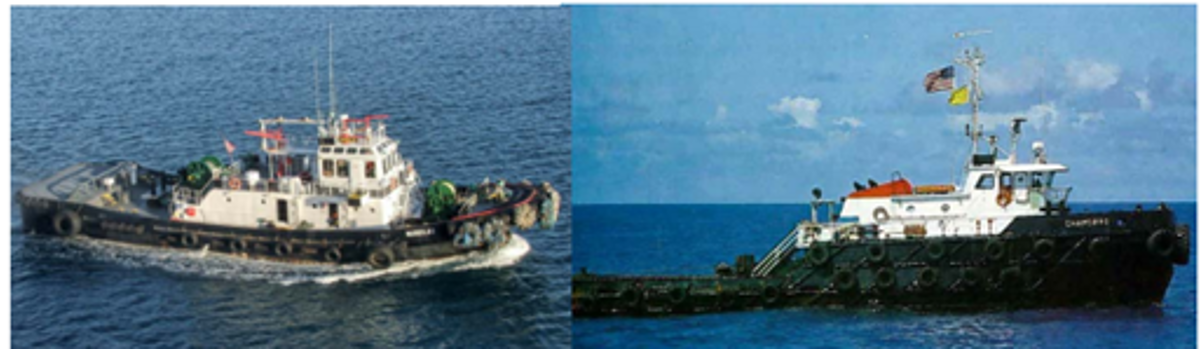
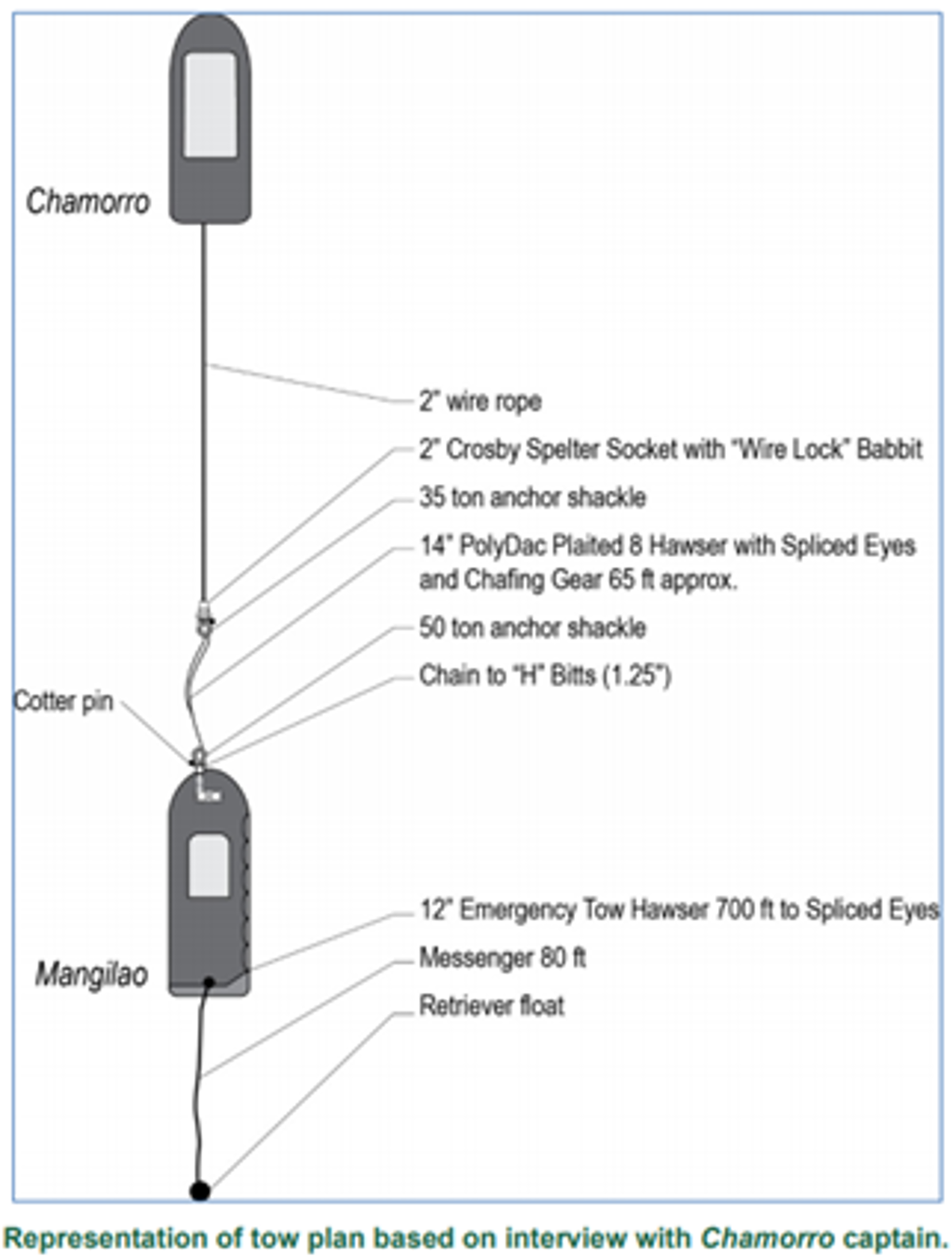
The tugboat, towed by another tugboat, sank in heavy weather in the Pacific whilst on passage from Guam to Subic Bay in the Philippines. There was no loss of life.
What were the causes?
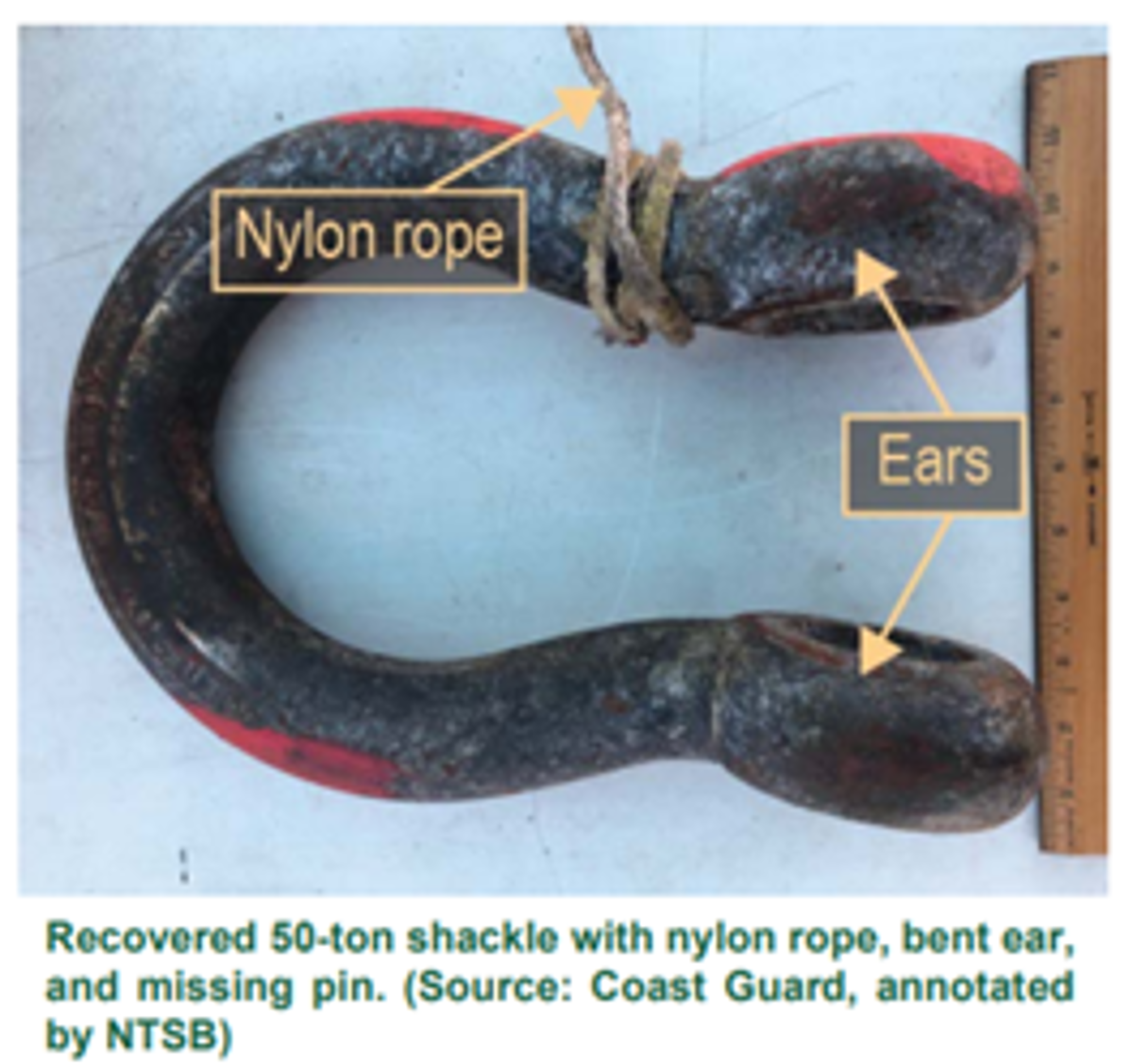
Investigation determined that the probable cause of the sinking was the failure of the towing arrangement due to the loss of a towline shackle pin, which left the towed vessel adrift and resulted in the ingress of water from boarding seas in a developing typhoon.
Swipe to see next image
Further detailed information is available from the report at:
IMCA Safety Flashes summarise key safety matters and incidents, allowing lessons to be more easily learnt for the benefit of the entire offshore industry.
The effectiveness of the IMCA Safety Flash system depends on the industry sharing information and so avoiding repeat incidents. Incidents are classified according to IOGP's Life Saving Rules.
All information is anonymised or sanitised, as appropriate, and warnings for graphic content included where possible.
IMCA makes every effort to ensure both the accuracy and reliability of the information shared, but is not be liable for any guidance and/or recommendation and/or statement herein contained.
The information contained in this document does not fulfil or replace any individual's or Member's legal, regulatory or other duties or obligations in respect of their operations. Individuals and Members remain solely responsible for the safe, lawful and proper conduct of their operations.
Share your safety incidents with IMCA online. Sign-up to receive Safety Flashes straight to your email.