Failure of hydraulic fitting at pressure
- Safety Flash
- Published on 1 April 2011
- Generated on 18 October 2026
- IMCA SF 03/11
- 2 minute read
A Member reports an incident in which a hydraulic fitting failed under pressure.
What happened?
The hydraulic fitting was part of an hydraulic intensifier panel used during live testing of a guillotine cutter and intensifier. (Hydraulic intensifiers are used to boost ROV pressure up to around 690 bar for various tooling requirements like cutters and linear override tools.)
The fitting that failed connected a pressure gauge to the high pressure (output side) side of the intensifier and was an integral and permanent component of the equipment. The gauge was being used to monitor output pressure on the circuit while the cutter test was performed. This connection failure resulted in the high velocity ejection of the gauge under very high pressure. There were no injuries. The intensifier in question was removed.
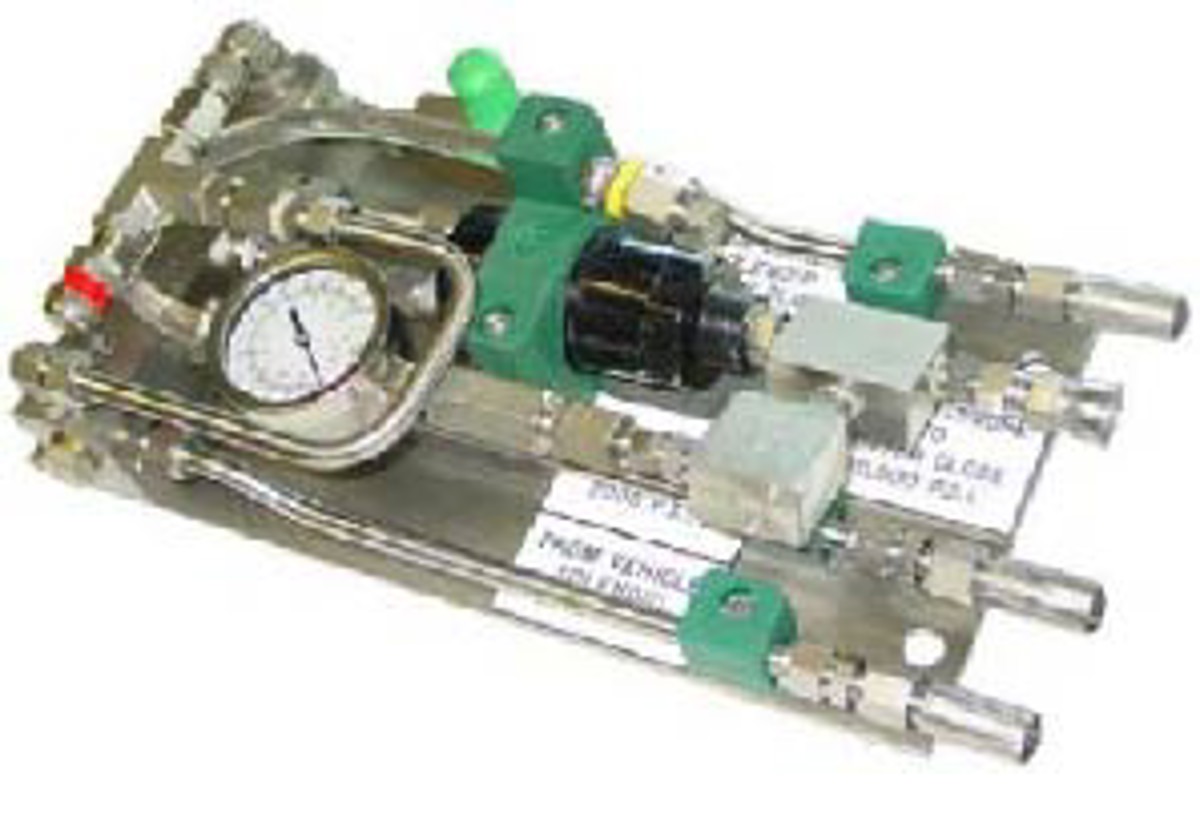
fig. 1: typical intensifier panel
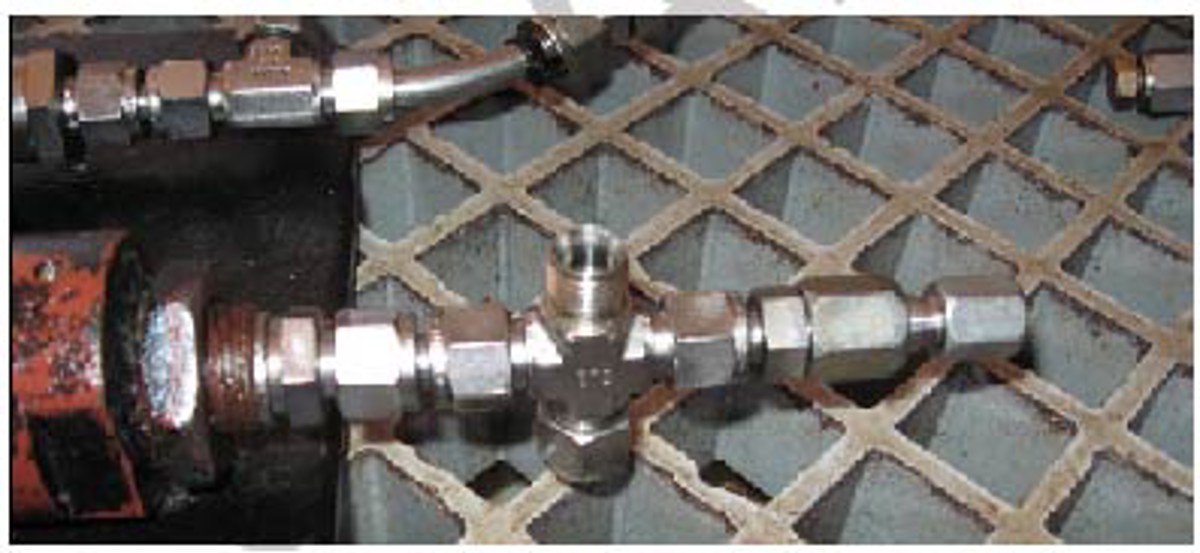
fig. 2: open fitting that held the gauge
What were the causes?
Preliminary findings from our member’s investigations were:
- The hydraulic fittings that connected the gauge to the intensifier were not 690 bar rated.
- The other hydraulic fittings in this part of the circuit were not 690 bar rated.
- Urgent checks revealed that there were several intensifier panels with non-rated fittings in service elsewhere.
Actions
Our member took the following actions:
- All on-deck testing involving high pressure intensifiers was stopped immediately and any required testing was conducted in the water with a wire sample, until confirmation of correct fitting was made.
- All worksites checked intensifiers and verified the specification with tooling department(s) and arranged for replacement or upgrade as necessary.
- Steps were taken to upgrade affected units held onshore and these were systematically changed out with affected units offshore until all panels had the correct fittings.
It should be noted that this specification shortfall may not be limited to ROV intensifiers and therefore vigilance is recommended with all high pressure hydraulic equipment.
IMCA Safety Flashes summarise key safety matters and incidents, allowing lessons to be more easily learnt for the benefit of the entire offshore industry.
The effectiveness of the IMCA Safety Flash system depends on the industry sharing information and so avoiding repeat incidents. Incidents are classified according to IOGP's Life Saving Rules.
All information is anonymised or sanitised, as appropriate, and warnings for graphic content included where possible.
IMCA makes every effort to ensure both the accuracy and reliability of the information shared, but is not be liable for any guidance and/or recommendation and/or statement herein contained.
The information contained in this document does not fulfil or replace any individual's or Member's legal, regulatory or other duties or obligations in respect of their operations. Individuals and Members remain solely responsible for the safe, lawful and proper conduct of their operations.
Share your safety incidents with IMCA online. Sign-up to receive Safety Flashes straight to your email.