Electrician received electric shock
- Safety Flash
- Published on 27 July 2011
- Generated on 27 October 2026
- IMCA SF 08/11
- 2 minute read
A Member has reported an incident in which an electrician received an electric shock whilst working on faulty electrical equipment.
What happened?
The vessel electrician had been called to the gymnasium because the running machine had developed a fault and was no longer working.
The running machine had been purchased for the vessel in the USA and required a110v supply. A 220v/110v transformer had also been sourced in the USA and was mounted on the bulkhead next to the running machine, with a connecting cable into the vessel 220v supply.
During initial investigation of the fault, the electrician decided to remove the 220v supply cable from the transformer to allow testing to be completed. The electrician unplugged the supply cable from the transformer connection first, unaware that it had two male connections (the standard configuration is one male and one female connection to ensure live terminals are recessed). As he started to remove the connection from the transformer, his left hand came into contact with the exposed live pins and he received an electric shock.
After receiving the shock, the electrician fully unplugged the supply cable from the vessel 220v socket and reported the incident. He attended the vessel medic where he was given a thorough observation, no injuries were identified and no further treatment was required.
What were the causes?
Investigation revealed that:
- Poor work practice and inadequate risk assessment for electrical isolations.
- There was a poor level of hazard awareness and task planning prior to starting work.
- Good practice is that electrical supply cables should be isolated from the power supply prior to testing.
- Design deficiencies of the electrical equipment that was being installed and used on the vessel were not identified.
- It should not be assumed that equipment purchased for the vessel is fit for purpose until it has been correctly checked and all potential hazards have been identified, risks assessed and any mitigating actions put in place.
- Electrical equipment purchased for the vessel should not be utilised until a full risk assessment has been conducted and all relevant mitigating safety actions have been completed.
Actions
Actions taken included ensuring that:
- electrical equipment onboard has the correct connections, configuration and rating for safe use, and
- all electrical equipment purchased for the vessel is fully inspected and tested and a full risk assessment of its intended use takes place prior to installation and use.
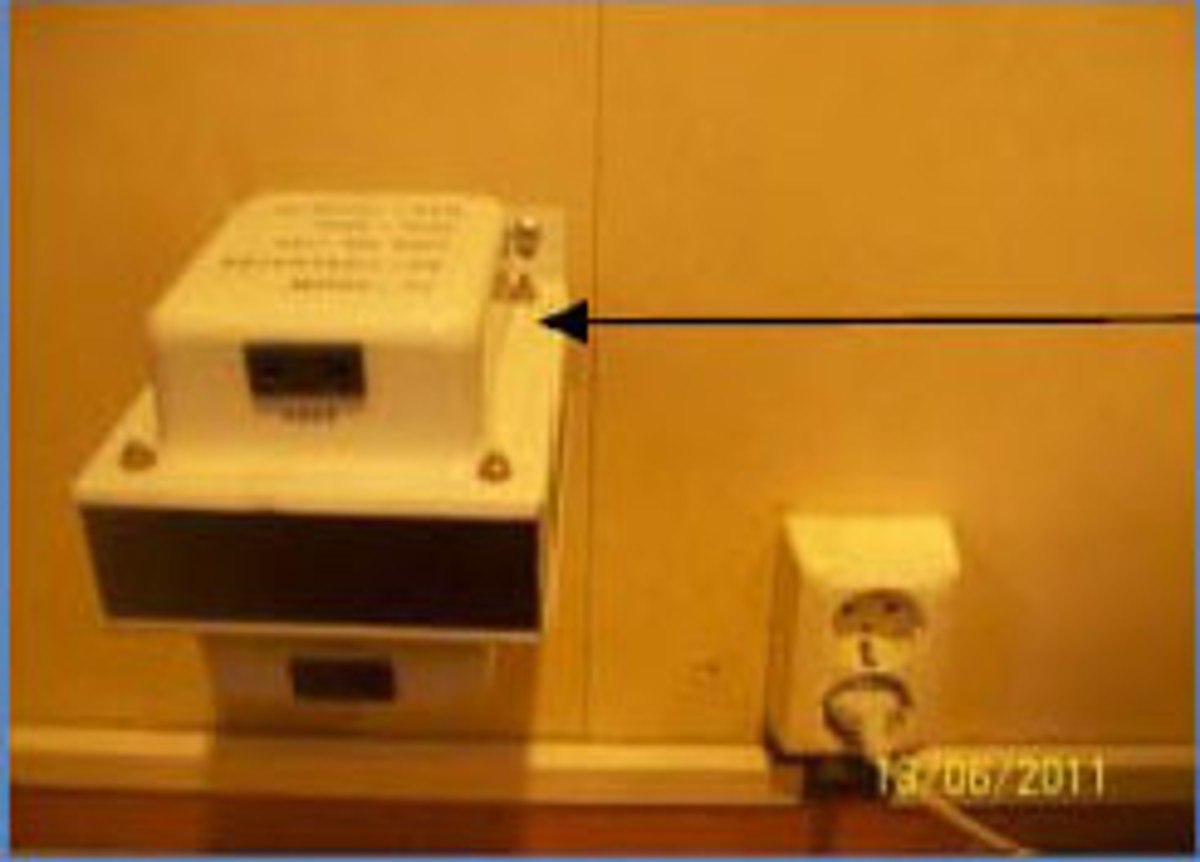
transformer for use with running machine
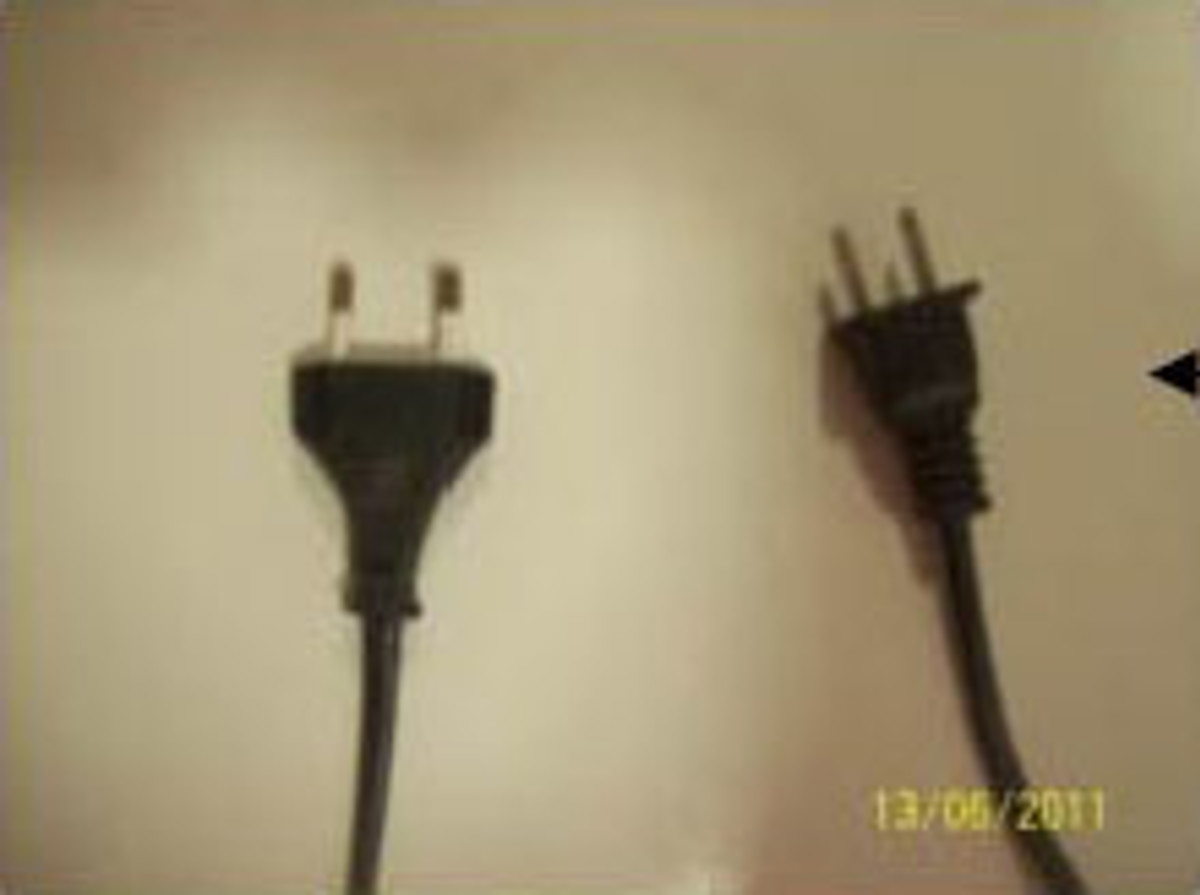
supply cable with two male fittings
IMCA Safety Flashes summarise key safety matters and incidents, allowing lessons to be more easily learnt for the benefit of the entire offshore industry.
The effectiveness of the IMCA Safety Flash system depends on the industry sharing information and so avoiding repeat incidents. Incidents are classified according to IOGP's Life Saving Rules.
All information is anonymised or sanitised, as appropriate, and warnings for graphic content included where possible.
IMCA makes every effort to ensure both the accuracy and reliability of the information shared, but is not be liable for any guidance and/or recommendation and/or statement herein contained.
The information contained in this document does not fulfil or replace any individual's or Member's legal, regulatory or other duties or obligations in respect of their operations. Individuals and Members remain solely responsible for the safe, lawful and proper conduct of their operations.
Share your safety incidents with IMCA online. Sign-up to receive Safety Flashes straight to your email.