Near miss: engine room hatch left open without barriers
- Safety Flash
- Published on 31 March 2020
- Generated on 23 October 2026
- IMCA SF 12/20
- 1 minute read
What happened?
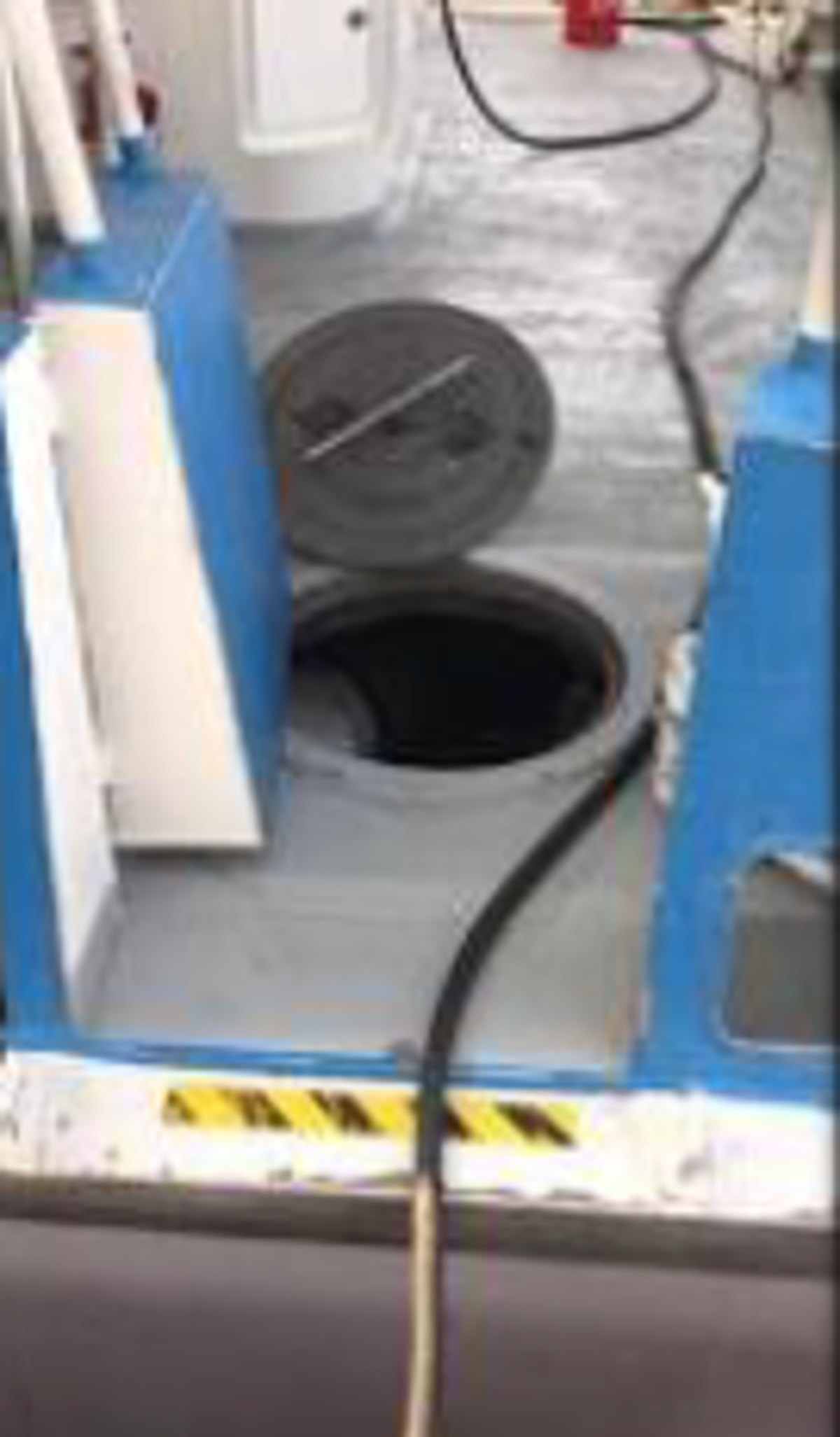
During routine maintenance, it was reported that the engine room hatch was left open with no physical barriers around, creating the potential for serious injury if distracted persons were to fall down the hatches.
What went wrong?
A crew member who was on the deck left the area for an urgent task forgetting to implement the control measures identified. [IMCA italics]
What were the causes?
The hatch was not closed when not in use – if the hatch was required to be left open, suitable barricades and warning communication should have been in place.
What were the recommendations? What actions were taken?
A safety meeting was conducted emphasising the potential fall hazards and the requirement to STOP WORK when unsafe conditions are identified.
Related Safety Flashes
-
IMCA SF 27/17
25 October 2017
-
-
IMCA SF 17/18
3 August 2018
IMCA Safety Flashes summarise key safety matters and incidents, allowing lessons to be more easily learnt for the benefit of the entire offshore industry.
The effectiveness of the IMCA Safety Flash system depends on the industry sharing information and so avoiding repeat incidents. Incidents are classified according to IOGP's Life Saving Rules.
All information is anonymised or sanitised, as appropriate, and warnings for graphic content included where possible.
IMCA makes every effort to ensure both the accuracy and reliability of the information shared, but is not be liable for any guidance and/or recommendation and/or statement herein contained.
The information contained in this document does not fulfil or replace any individual's or Member's legal, regulatory or other duties or obligations in respect of their operations. Individuals and Members remain solely responsible for the safe, lawful and proper conduct of their operations.
Share your safety incidents with IMCA online. Sign-up to receive Safety Flashes straight to your email.