Grounding and flooding of ferry – complacency
- Safety Flash
- Published on 21 September 2015
- Generated on 29 May 2026
- IMCA SF 13/15
- 2 minute read
The UK Marine Accident Investigation Branch (MAIB) has published a report into the grounding and flooding of the roll-on / roll-off (ro-ro) ferry Commodore Clipper in the Channel Islands in July 2014.
The vessel raked over two granite pinnacles at full sea speed of about 18 knots; its hull was breached and seawater flooded into double-bottom void spaces. The grounding caused a noisy and shuddering vibration, but the crew did not immediately check for damage.
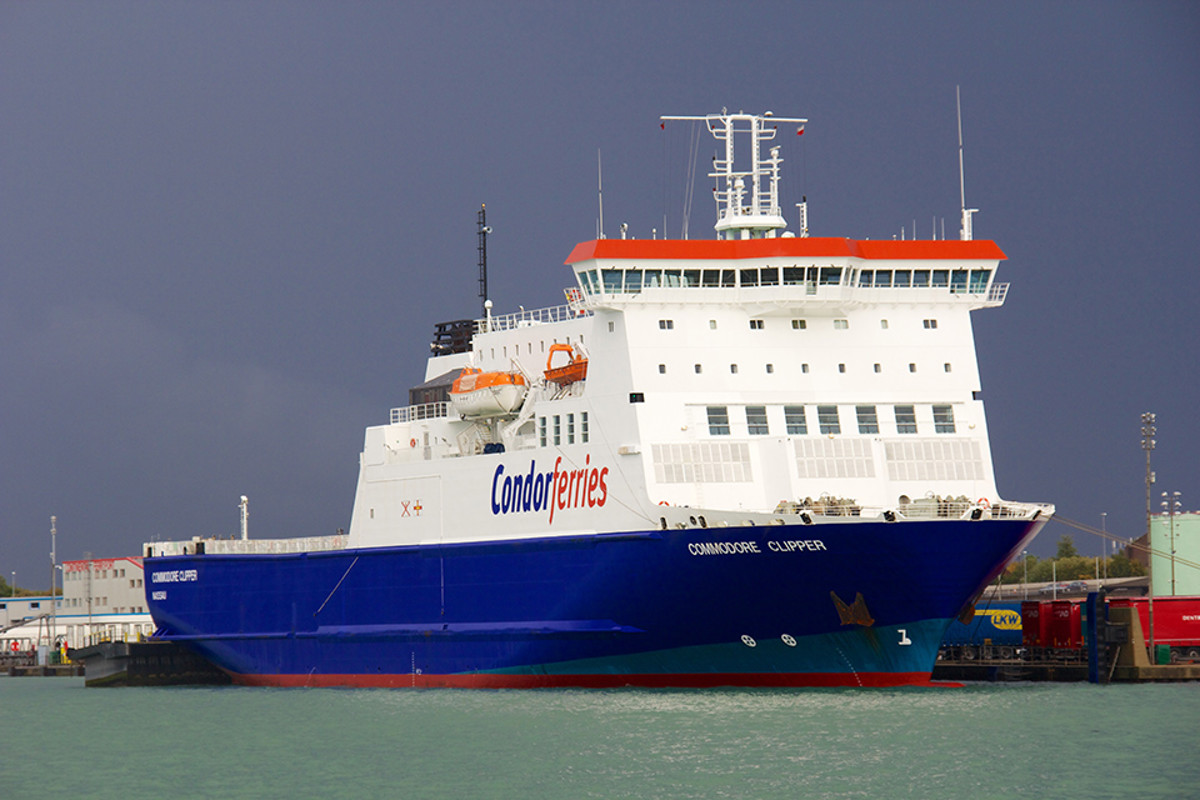
photograph of the Commodore Clipper alongside
The report identifies the following safety issues:
- Insufficient passage planning meant that the bridge team were unaware of the limits of safe water where the vessel was heading, and so headed into danger without appreciation of the navigational risk. A number of issues were not properly considered:
- the very low tide
- the effect of vessel ’squat’ in shallow water at high speed
- the accuracy of the chart data.
- The possibility that the vessel had grounded was denied. In the circumstances of a shuddering vibration, it is important that the crew establish the state of their vessel by searching for damage.
- The repetitive nature of ferry operations can induce a degree of complacency when planning.
- The electronic navigation system was not being utilised effectively because safety settings were not appropriate to the local conditions, warnings were ignored and the audible alarm was disabled.
- The local responsible port authority did not have an effective risk assessment or safety management plan for the conduct of navigation in its statutory pilotage area.
The full report can be downloaded at gov.uk/maib-reports/grounding-and-flooding-of-ro-ro-ferry-commodore-clipper
IMCA Safety Flashes summarise key safety matters and incidents, allowing lessons to be more easily learnt for the benefit of the entire offshore industry.
The effectiveness of the IMCA Safety Flash system depends on the industry sharing information and so avoiding repeat incidents. Incidents are classified according to IOGP's Life Saving Rules.
All information is anonymised or sanitised, as appropriate, and warnings for graphic content included where possible.
IMCA makes every effort to ensure both the accuracy and reliability of the information shared, but is not be liable for any guidance and/or recommendation and/or statement herein contained.
The information contained in this document does not fulfil or replace any individual's or Member's legal, regulatory or other duties or obligations in respect of their operations. Individuals and Members remain solely responsible for the safe, lawful and proper conduct of their operations.
Share your safety incidents with IMCA online. Sign-up to receive Safety Flashes straight to your email.