Confined space entry incidents – a reminder
- Safety Flash
- Published on 15 December 2015
- Generated on 2 September 2026
- IMCA SF 22/15
- 4 minute read
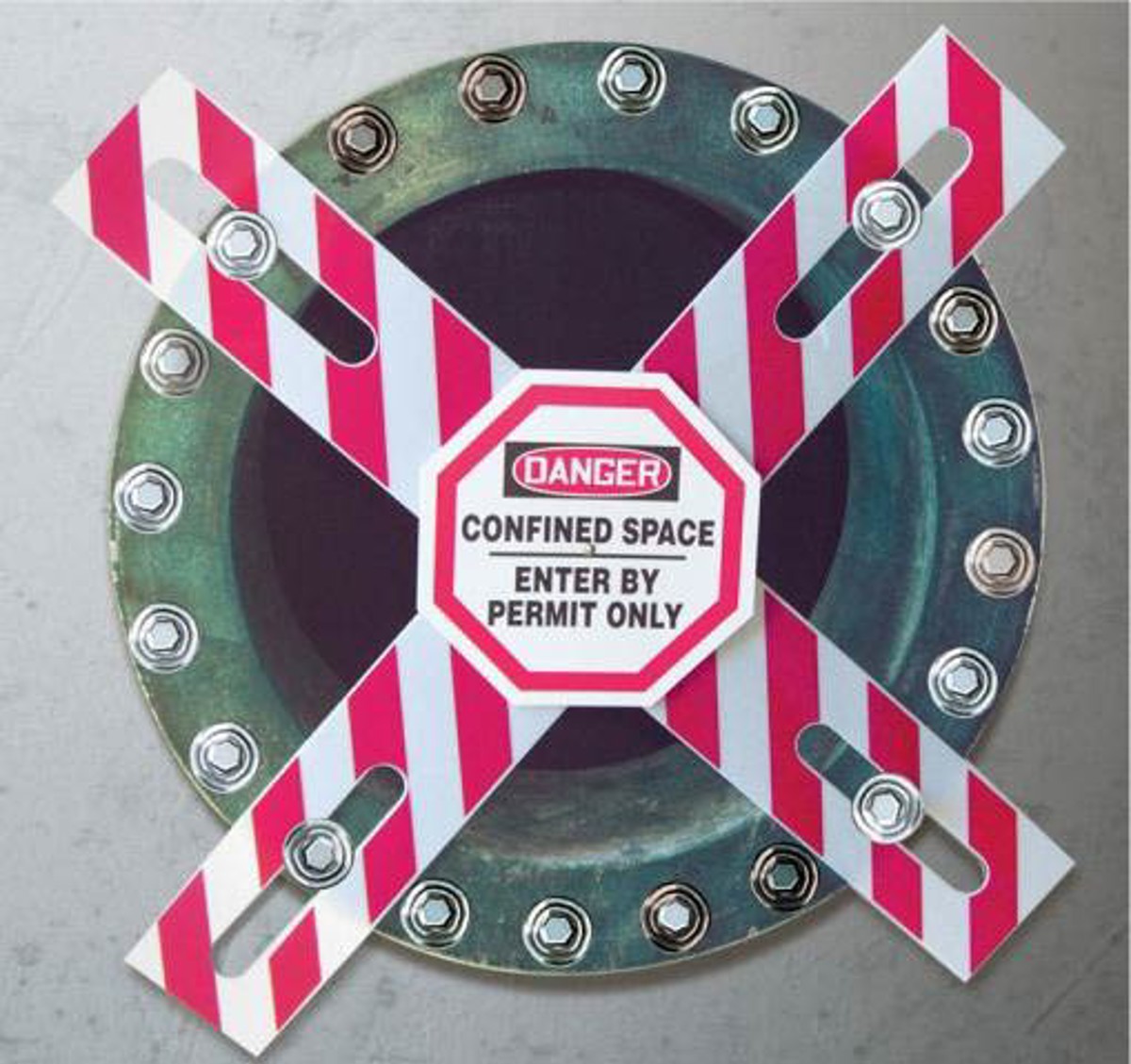
A Member has reported a number of confined space incidents during a class renewal docking of a vessel, and has brought these to IMCA’s attention as a reminder to raise awareness of the hazards of confined space entry.
What happened?
These incidents occurred when a vessel was undergoing a class renewal docking. During the docking there were numerous requirements for confined space entry. As a result of procedures and the company safe system of work not being followed, a variety of confined space entry incidents occurred involving third-party subcontractors and included one near miss involving company personnel. Due to the diligence of, and the intervention of, company personnel at the worksite, no-one was injured. None of these cases resulted in harm to personnel.
These brief descriptions are taken from our member’s safety database:
- Void space tank lid entry blocked by flammable locker that was welded to the deck preventing safe access/egress.
- Confined space tank cleaning in progress in engine room. No standby person or entrance roster. Entrants were not wearing harnesses as required.
- Standby man identified contractors cutting valves using acetylene without any means of ventilation in a confined space.
- Steel workers in the engine room were undertaking confined space entry work using personal gas detectors supplied by a third party contractor. On examination it was determined that the gas detectors had not been bump tested prior to use. One of the detectors was reading 21.8% for oxygen.
- Confined space entry attendant noted that hot work was taking place in a space without forced ventilation. Reporting person notified the bridge that he was stopping the job and asking contractors to use the required means of ventilation.
- Access to the confined space without informing a standby person;
- Confined space entry attendant observed a fire watch preparing a carbon dioxide fire extinguisher for the enclosed space.
- Electrical cable and oxygen / acetylene hoses approximately 15 cm from halogen light inside a confined space
- Persons entering into the confined space without Permit to Work. They entered from another tank.
- Whilst performing tank sentry duties, one person was observed attempting to enter a confined space (a wing tank) without a personal gas detector.
- Third party contractor welder attempted to enter tank without wearing a harness.
- Near miss: confined space entry into fuel tank in breach of company integrated safe system of work -after observing smoke coming from open hatch.
Our member noted the following lessons:
- Care should be taken to ensure procedures are being followed and that all crew members remain situationally aware when potential risks are identified in an ever changing work environment.
- All personnel should remain vigilant with contractors on site during dry dockings and maintenance periods.
- In these cases, through the vigilant observations and intervention of the company vessel crew, the hazards were identified and controlled.
Our member notes:
- Bad planning and losing sight of basic safety procedures can cost lives. Work in confined and enclosed spaces has a greater likelihood of causing fatalities, severe injuries and illness than any other type of work on board a ship or marine installation. More people die or are injured in enclosed spaces than through any other related on-board work activity.
- Establishing set drills and procedures for entry into confined spaces, and the rescue from them, may not be enough to bring about the cultural change in everyday work practice that is needed. It has to be second nature for everyone to stop, think and act safely. This means crew members should be properly trained in the risks, and vessel management should be able to demonstrate due diligence and safety leadership when planning and assigning tasks.
- Confined space entry is an ever present danger in the work of marine contractors and if lessons are not learnt, it can be a ‘silent killer’.
Members may wish to review Guidance on safety in shipyards.
IMCA Safety Flashes summarise key safety matters and incidents, allowing lessons to be more easily learnt for the benefit of the entire offshore industry.
The effectiveness of the IMCA Safety Flash system depends on the industry sharing information and so avoiding repeat incidents. Incidents are classified according to IOGP's Life Saving Rules.
All information is anonymised or sanitised, as appropriate, and warnings for graphic content included where possible.
IMCA makes every effort to ensure both the accuracy and reliability of the information shared, but is not be liable for any guidance and/or recommendation and/or statement herein contained.
The information contained in this document does not fulfil or replace any individual's or Member's legal, regulatory or other duties or obligations in respect of their operations. Individuals and Members remain solely responsible for the safe, lawful and proper conduct of their operations.
Share your safety incidents with IMCA online. Sign-up to receive Safety Flashes straight to your email.