UK HSE prosecution following 2011 fatal explosion in oil refinery
- Safety Flash
- Published on 30 September 2019
- Generated on 19 October 2026
- IMCA SF 23/19
- 1 minute read
The UK HSE has prosecuted two companies after an explosion killed four workers and seriously injured another at an oil refinery in Pembrokeshire in 2011.
What happened?
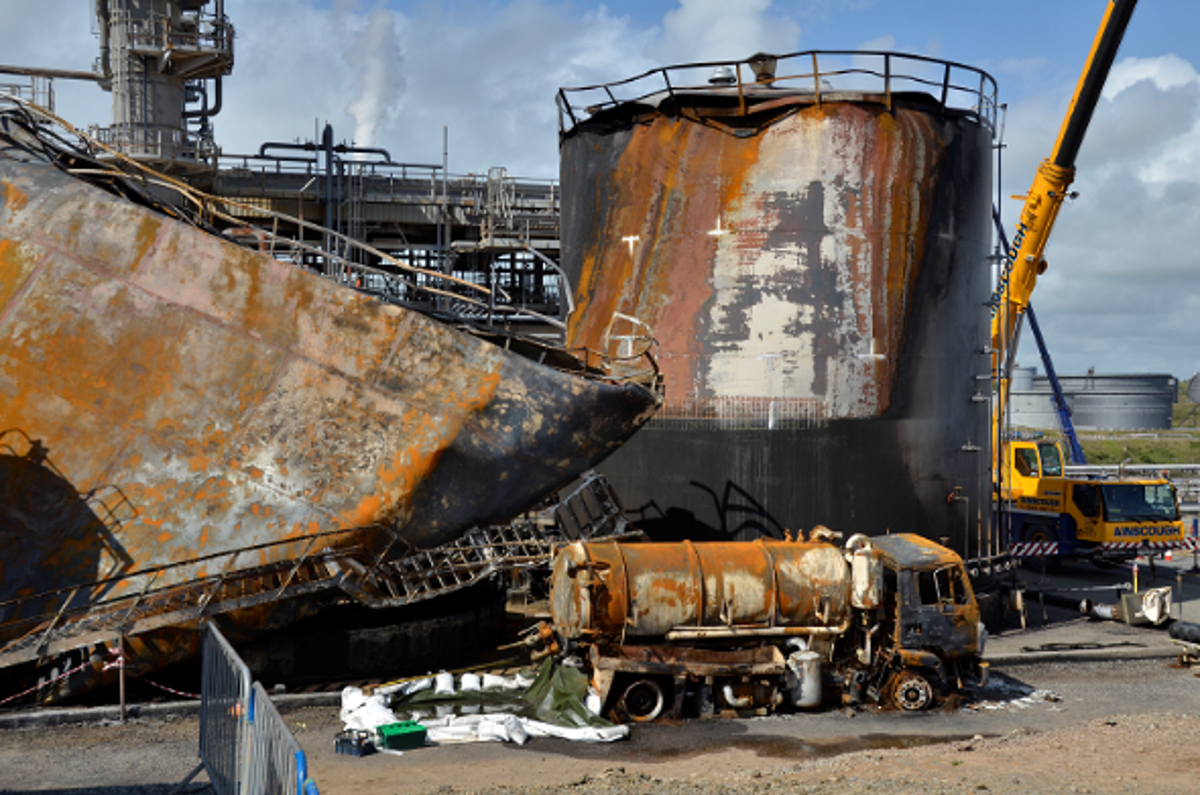
Five workers were emptying a tank using a vacuum tanker when the explosion and subsequent fire took place.
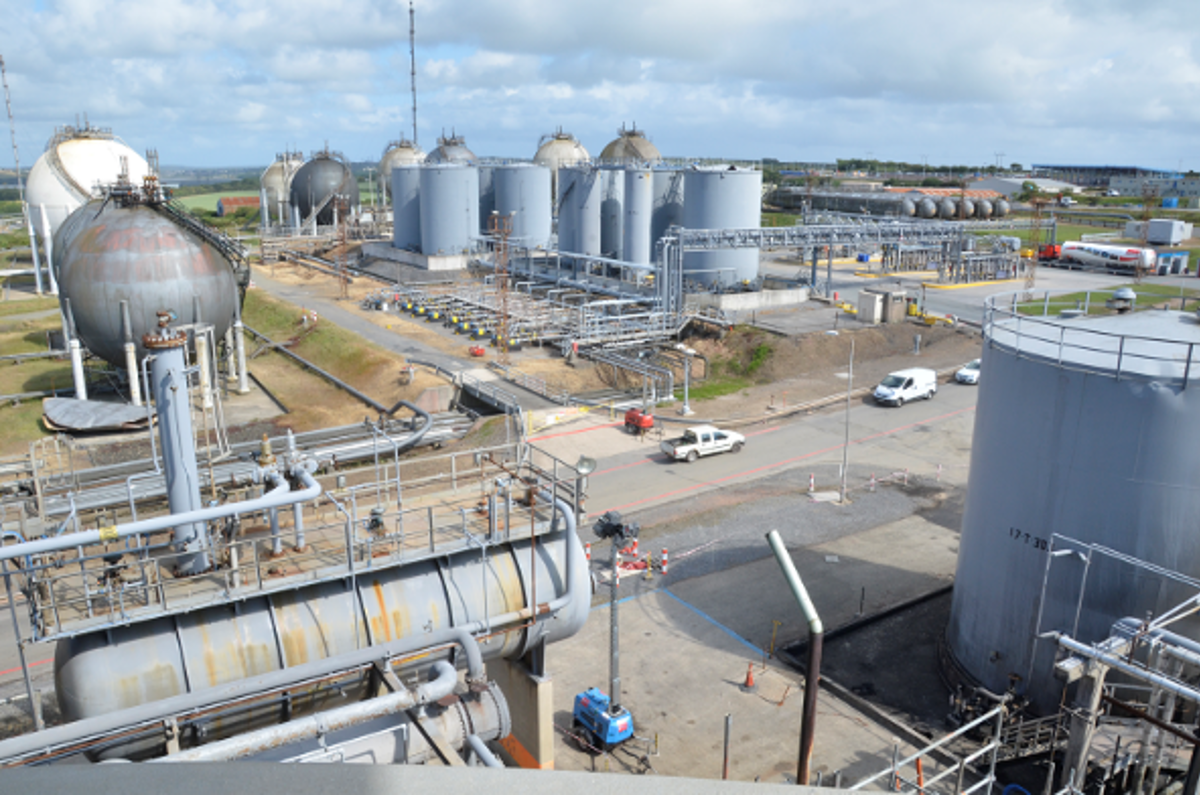
The explosion resulted in a fireball which severed the 5-tonne tank roof, and this was projected 55 metres to impact against a butane storage sphere.
The roof narrowly missed a pipe track where a range of flammable materials were carried.
The investigation report is available here.
What lessons were learned?
Investigation found the explosion was most likely to have been initiated by the ignition of a highly flammable atmosphere within the tank, during what should have been a routine emptying operation [IMCA emphasis] in preparation for further cleaning and maintenance.
The investigation also found there had been longstanding failures within the refinery safety management systems (SMS) and as a result the risks posed by flammable atmospheres …were not understood or controlled. [IMCA emphasis]
IMCA Safety Flashes summarise key safety matters and incidents, allowing lessons to be more easily learnt for the benefit of the entire offshore industry.
The effectiveness of the IMCA Safety Flash system depends on the industry sharing information and so avoiding repeat incidents. Incidents are classified according to IOGP's Life Saving Rules.
All information is anonymised or sanitised, as appropriate, and warnings for graphic content included where possible.
IMCA makes every effort to ensure both the accuracy and reliability of the information shared, but is not be liable for any guidance and/or recommendation and/or statement herein contained.
The information contained in this document does not fulfil or replace any individual's or Member's legal, regulatory or other duties or obligations in respect of their operations. Individuals and Members remain solely responsible for the safe, lawful and proper conduct of their operations.
Share your safety incidents with IMCA online. Sign-up to receive Safety Flashes straight to your email.