LTI Incident – Crew Struck by Cargo During Lifting Operations
- Safety Flash
- Published on 16 December 2020
- Generated on 21 October 2026
- IMCA SF 34/20
- 2 minute read
During routine cargo operation on the main deck, crew were unlashing the load (an empty pipe container) when the crane operator lifted the load without warning.
What happened?
One crewman was struck in the chest and flung backwards approximately one metre.
The situation was made worse as immediate medical attention could not be provided because the load became stuck between containers.
Once the load was lifted away the injured person was moved to a safe area and provided with medical attention and medevac was arranged by chopper to hospital for further treatment.
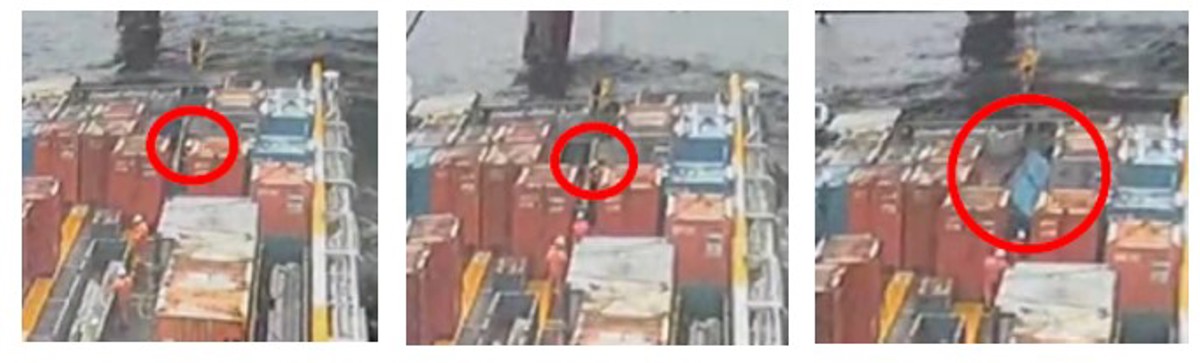
Fig. 1 - Injured person attempting to unhook load
Fig. 2 - Injured person instructed crane operator to lower the boom
Fig. 3 - Crane suddenly lifted load striking the injured person in the chest
What went wrong?
- The crane operator did not follow the instructions of the vessel lifting team.
- The injured crew member was in the line of fire during lifting operations.
- The vessel cargo plan not followed.
- Neither the other crew members or the crane operator thought to stop the job and use their Stop Work Authority.
Actions
- Immediate Stand Down for Safety and discuss the importance of crew members staying out of the line of fire during lifting operations
- Reiteration of importance of Stop Work Authority which should be implemented if:
- Crew see incorrect procedures being used or people working in unsafe manner.
- Unsafe conditions are observed in the work area.
- Crew are seen standing in a dangerous position.
- Lifting operations should not be conducted unless clear communication channels are in place between crane operator and lifting team.
Members may wish to refer to
-
LTI: Finger Injury During Lifting Operations
-
Uncontrolled Movement Of Crane Block And Pennant During Lifting Operations At Sea
-
LTI: leg fractured while loading tubulars
Members may also wish to refer to
- IMCA Guidelines for lifting operations
- Line of fire (‘Be prepared to work safely’ video)
- In the line of fire (IMCA HSS036, classic safety video)
IMCA Safety Flashes summarise key safety matters and incidents, allowing lessons to be more easily learnt for the benefit of the entire offshore industry.
The effectiveness of the IMCA Safety Flash system depends on the industry sharing information and so avoiding repeat incidents. Incidents are classified according to IOGP's Life Saving Rules.
All information is anonymised or sanitised, as appropriate, and warnings for graphic content included where possible.
IMCA makes every effort to ensure both the accuracy and reliability of the information shared, but is not be liable for any guidance and/or recommendation and/or statement herein contained.
The information contained in this document does not fulfil or replace any individual's or Member's legal, regulatory or other duties or obligations in respect of their operations. Individuals and Members remain solely responsible for the safe, lawful and proper conduct of their operations.
Share your safety incidents with IMCA online. Sign-up to receive Safety Flashes straight to your email.