ROV dropped to seabed
- Safety Flash
- Published on 2 July 2024
- Generated on 26 October 2026
- IMCA SF 13/24
- 2 minute read
During recovery of an ROV system, the ROV dropped into the sea and subsequently landed on the seafloor.
What happened?
During recovery of an ROV system, the ROV Tether Management System (TMS) experienced a problem latching to the Launch and Recovery System (LARS ). The umbilical was damaged directly above the Docking Bullet on the TMS, and was then sheared by the A-frame docking head latch mechanism. The ROV then dropped into the sea and subsequently landed on the seafloor in a safe zone.
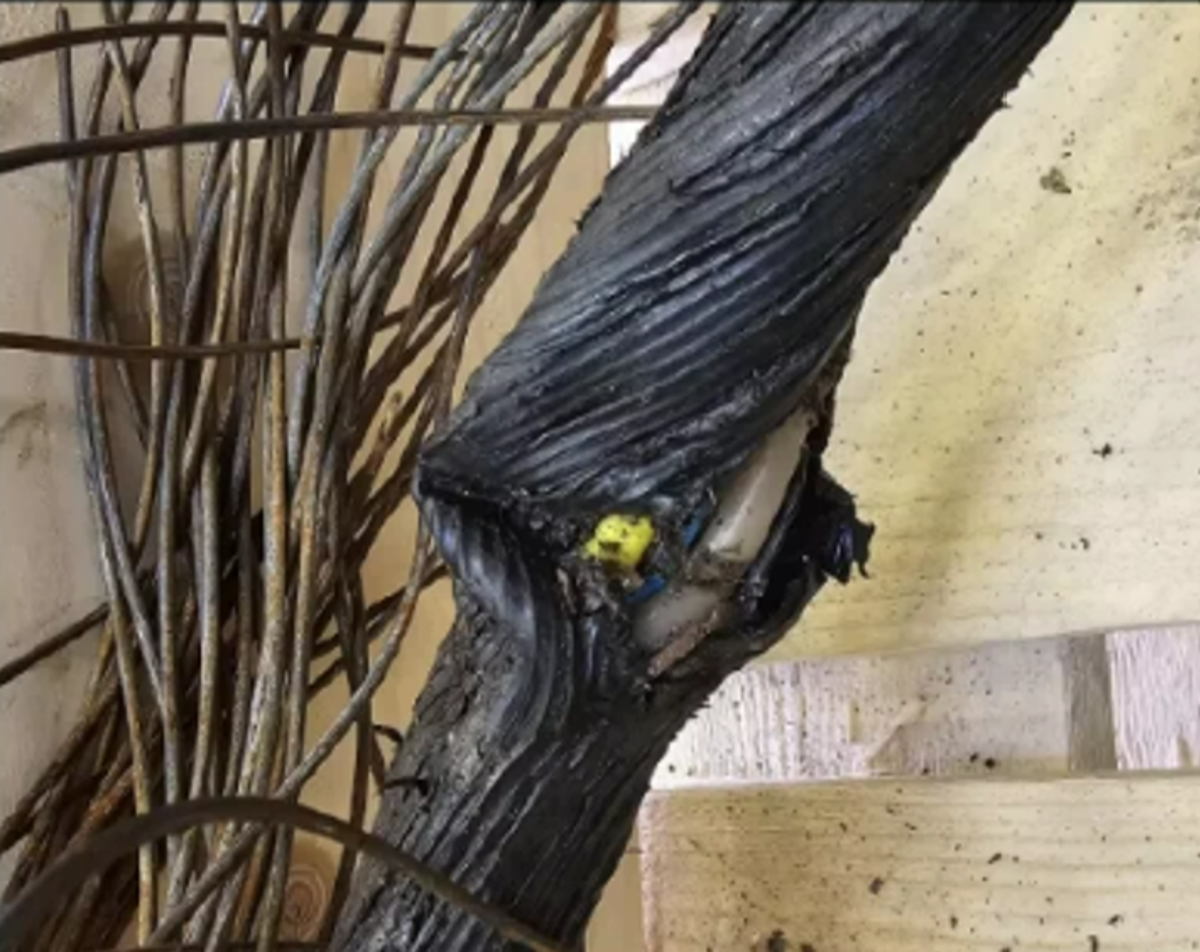
Umbilical breaking point
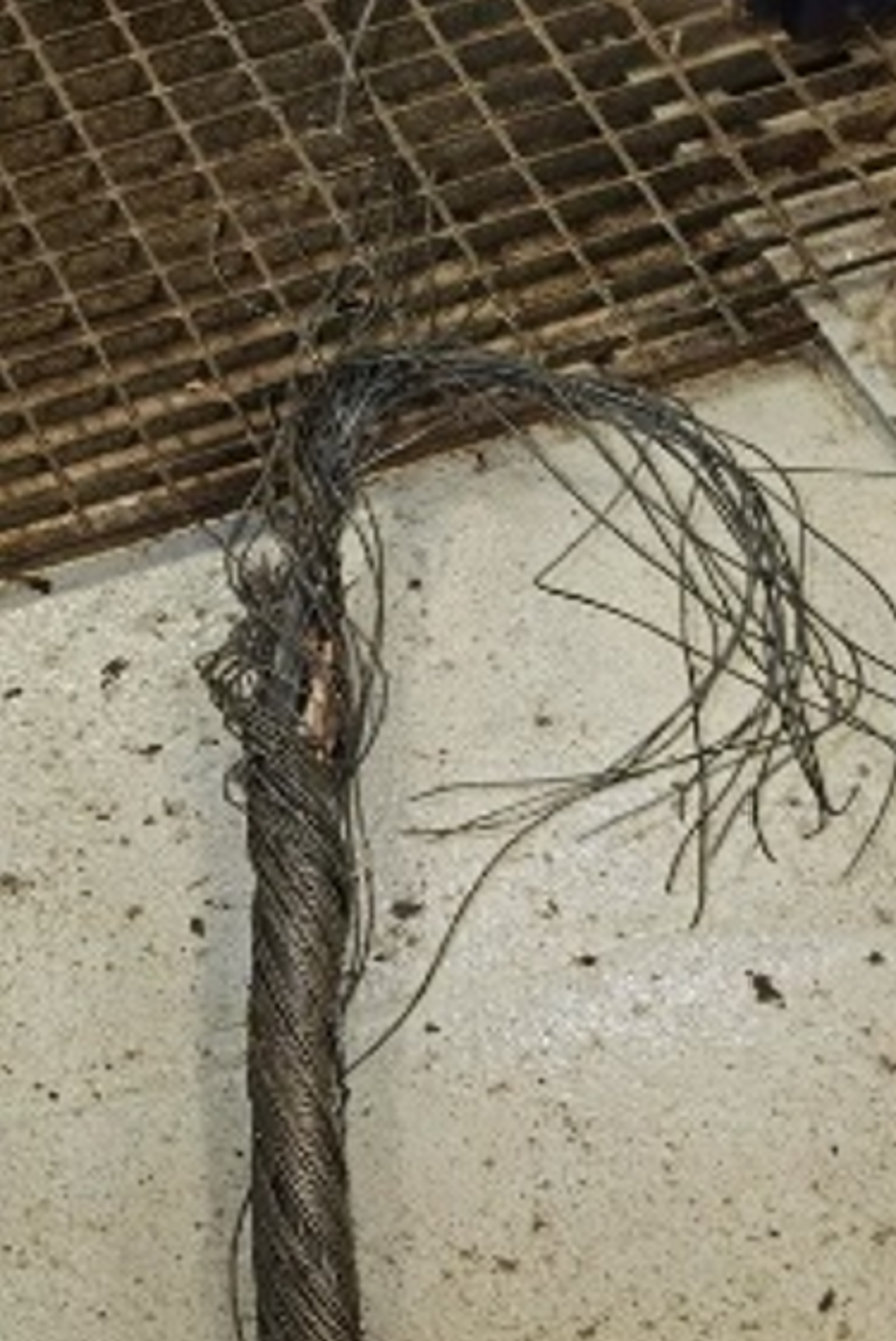
Umbilical Winch End
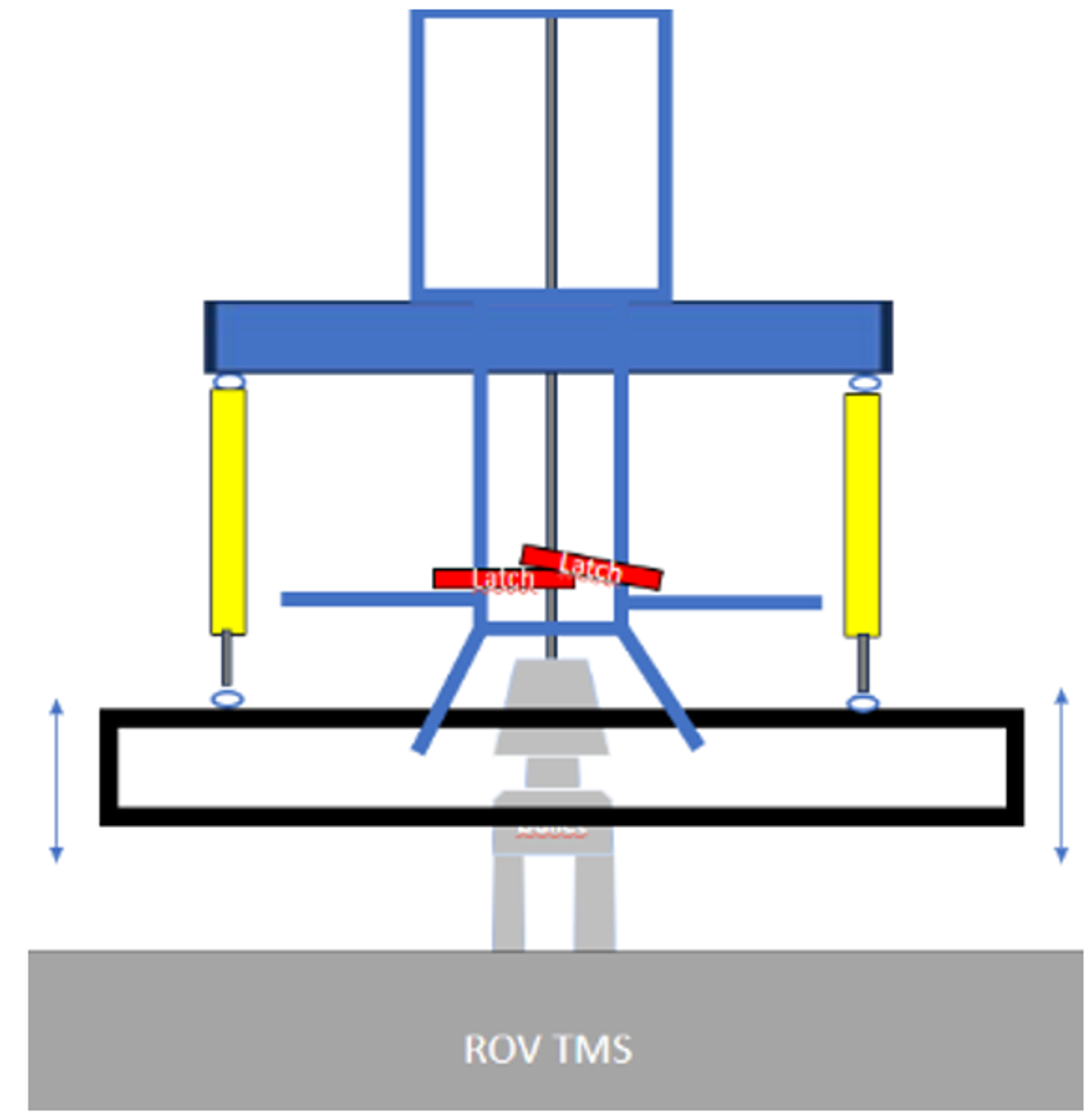
Sketch of Latches in Abnormal Position
Swipe to see next image
What went right?
No-one was in the line of fire and the potential zone of impact during the event.
What went wrong?
- An excessive amount of cold and dirty grease was in the latch mechanism which resulted in a slower than expected latching motion.
- The operator of the LARS system could not see the mechanical locked position indicator before releasing the umbilical tension, which resulted in a failed latch attempt. After repeated attempts to dock and lock, the umbilical separated with the result that the ROV fell into the sea and dropped to the seafloor.
What was the cause?
- The latch mechanism was not cleaned and lubricated to OEM specifications.
- The LARS procedure specific to the installation was not followed.
- Supervision did not verify the correct maintenance plan nor the LARS procedure before work started.
Lessons and actions
- The latch design can damage an umbilical if it functions improperly and operates incorrectly;
- The company took the following actions
- Restored latch functionality to normal by cleaning and lubricating, then verifying, the components function per OEM specifications;
- Reiterated that crew should follow the LARS procedure for the specific ROV system onboard;
- Ensured that supervisors verify that the correct maintenance plan and LARS procedure is available and is used for the specific ROV system onboard.
Related Safety Flashes
-
IMCA SF 09/13
18 June 2013
-
IMCA SF 11/11
27 October 2011
-
IMCA SF 18/09
22 December 2009
IMCA Safety Flashes summarise key safety matters and incidents, allowing lessons to be more easily learnt for the benefit of the entire offshore industry.
The effectiveness of the IMCA Safety Flash system depends on the industry sharing information and so avoiding repeat incidents. Incidents are classified according to IOGP's Life Saving Rules.
All information is anonymised or sanitised, as appropriate, and warnings for graphic content included where possible.
IMCA makes every effort to ensure both the accuracy and reliability of the information shared, but is not be liable for any guidance and/or recommendation and/or statement herein contained.
The information contained in this document does not fulfil or replace any individual's or Member's legal, regulatory or other duties or obligations in respect of their operations. Individuals and Members remain solely responsible for the safe, lawful and proper conduct of their operations.
Share your safety incidents with IMCA online. Sign-up to receive Safety Flashes straight to your email.