Engine room fire on a ferry
- Safety Flash
- Published on 28 January 2022
- Generated on 13 October 2026
- IMCA SF 03/22
- 3 minute read
The Bahamas Maritime Authority has published a report into an engine room fire on board the ferry Pride of Hull in October 2020.
What happened?
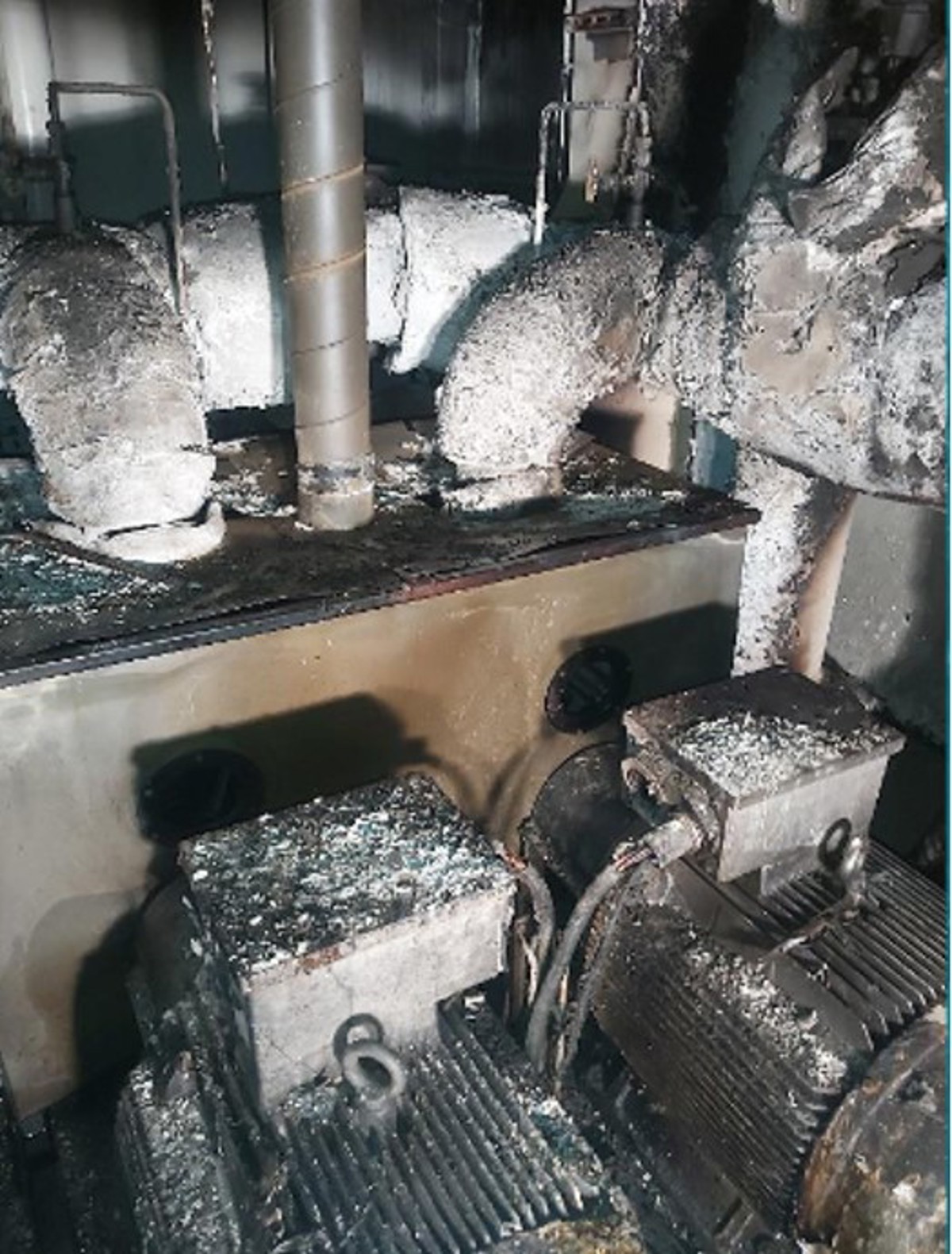
A fire was detected onboard the “roll-on roll-off” passenger ferry Pride of Hull when it was outbound in the Humber Estuary, UK. The fire was detected in the vicinity of the thermal oil circulation pumps, part of the vessel’s heat reclamation and transfer system. Shortly afterwards, the vessel lost electrical power and propulsion but used remaining headway to anchor safely. The vessel’s Hi-Fog fire suppression system activated automatically but did not operate as anticipated and could not control the fire, which was extinguished using the vessel’s fixed CO2 system. The vessel returned to port, under its own power, the next day. No one was hurt, damage was limited and there was no pollution.
What went wrong?
The Bahamas Maritime Authority report noted the following:
- Bearing failures: examination of the thermal oil circulation pump identified that progressive bearing failures resulted in extreme frictional heating, generating temperatures in the order of 1,200°C, far in excess of the auto-ignition temperature of the thermal oil used in the system.
- Compromised fire suppression systems: Assessment of the fire suppression system identified that the system’s effectiveness was compromised by pump output when multiple zones were activated and its dependence on a domestic fresh water pump to maintain supply for longer than two minutes. Additionally, the system’s pumps were not connected to the emergency switchboard and therefore stopped when the vessel lost electrical power. These limitations were compliant with requirements but were not reflected in emergency response guidance.
Lessons learned
- Frequent failure of equipment generally indicates a weakness in the system. Identification of causal factors can facilitate a discussion with the equipment’s manufacturers to identify effective remedial actions.
- Any engineering change or modification of equipment should be preceded by a management of change (MoC) assessment to ensure the modification does not have unwanted impact on the operation of the equipment or associated systems.
- Older fire suppression systems (from before 2010) installed in machinery spaces may not be as effective as those installed later. Check that the system design meets current requirements and ensure that contingency plans reflect any limitations.
- Fire suppression systems that are not connected to the emergency power supply will not work when the vessel loses mains power. Water mist systems do not work if their water supply is compromised. If the system is dependent on separate feed pumps, these should be connected to the emergency switchboard and activate automatically.
- Thermal imaging cameras are an excellent tool for identifying the seat of a fire, especially in reduced visibility.
- Re-entry into a space after CO2 flooding carries a risk. CO2 has a limited cooling effect on temperatures at the seat of a fire and does not remove fuel. Entering the space too soon may allow entry of oxygen and can cause the fire to reignite.
Related Safety Flashes
-
IMCA SF 11/21
19 April 2021
-
IMCA SF 10/14
30 June 2014
-
IMCA SF 17/20
1 June 2020
IMCA Safety Flashes summarise key safety matters and incidents, allowing lessons to be more easily learnt for the benefit of the entire offshore industry.
The effectiveness of the IMCA Safety Flash system depends on the industry sharing information and so avoiding repeat incidents. Incidents are classified according to IOGP's Life Saving Rules.
All information is anonymised or sanitised, as appropriate, and warnings for graphic content included where possible.
IMCA makes every effort to ensure both the accuracy and reliability of the information shared, but is not be liable for any guidance and/or recommendation and/or statement herein contained.
The information contained in this document does not fulfil or replace any individual's or Member's legal, regulatory or other duties or obligations in respect of their operations. Individuals and Members remain solely responsible for the safe, lawful and proper conduct of their operations.
Share your safety incidents with IMCA online. Sign-up to receive Safety Flashes straight to your email.