LTI: Foot injury after standing on rotating winch drum
- Safety Flash
- Published on 5 July 2019
- Generated on 27 October 2026
- IMCA SF 16/19
- 1 minute read
An AB was taking part in a task to re-spool a wire onto an aft deck tugger winch, when he climbed onto the side of the tugger winch and, whilst stood there, the rotating winch drum trapped both his feet.
What happened?
The AB's injuries include a fractured foot and severe abrasions.
His boots (proper personal protective equipment (PPE)) prevented a much more serious injury.
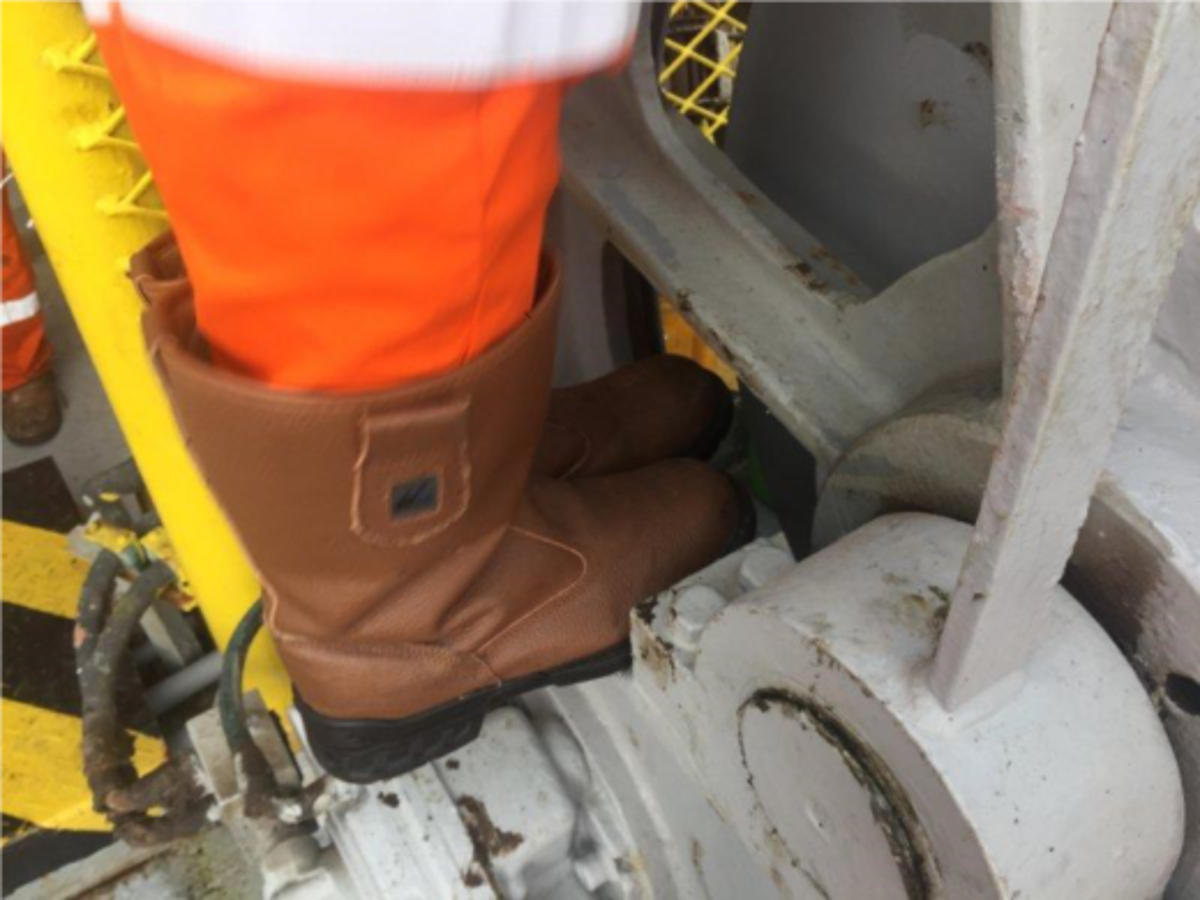
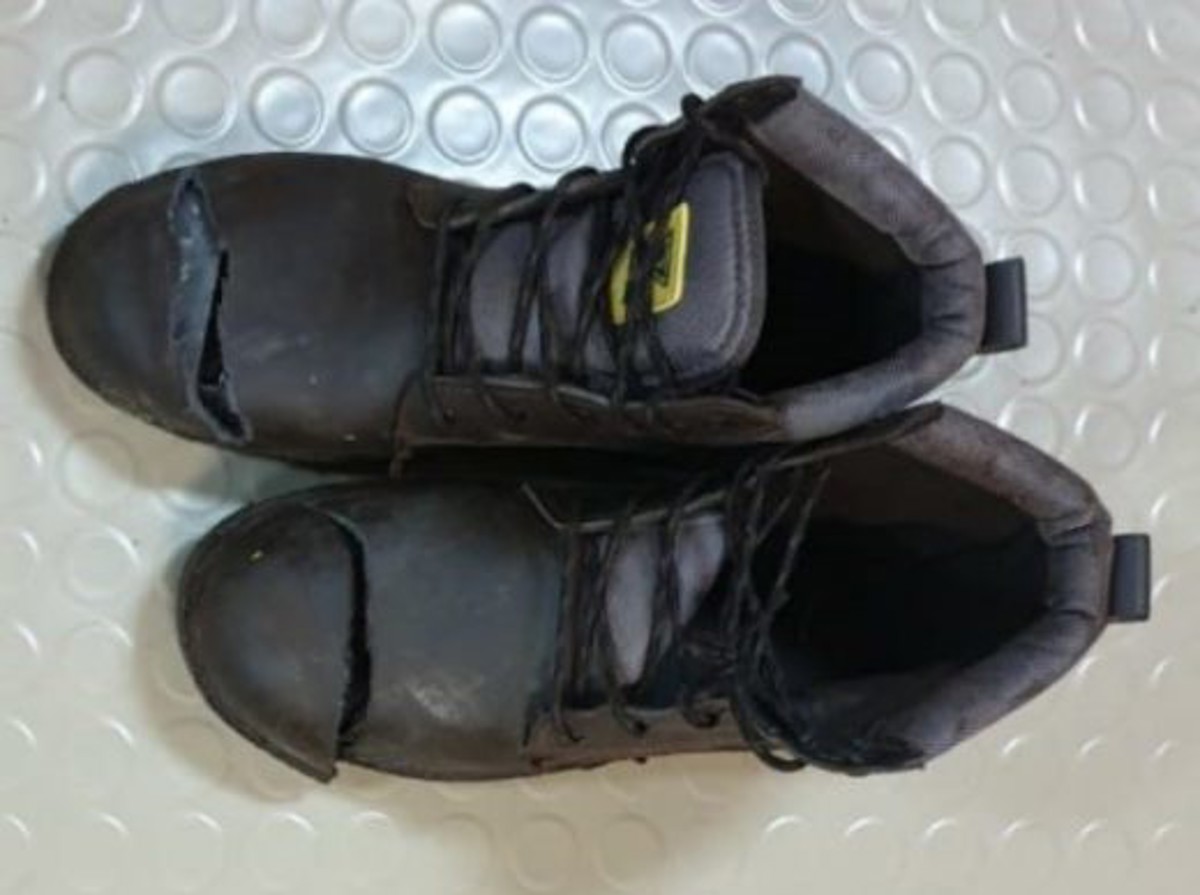
What went wrong?
- The crewman failed to identify the hazards associated with the tugger winch.
- None of his colleagues intervened or told him to stop when they might easily have STOPPED the job’ when he put himself in the line of fire.
- The risk assessment was inadequate – it did not include this particular hazard associated with the tugger winch.
What actions were taken? What lessons were learned?
- “Hazard hunt” focusing on winches and the hazards associated with them.
- Review of risk assessments related to deck operations to ensure that the hazards associated with winches are captured.
- Someone was injured because no-one intervened or stopped the job; remind all that it’s OK to STOP the job if it’s unsafe.
Related Safety Flashes
-
IMCA SF 13/17
2 June 2017
-
-
IMCA SF 18/14
25 November 2014
-
IMCA SF 03/00
1 July 2000
IMCA Safety Flashes summarise key safety matters and incidents, allowing lessons to be more easily learnt for the benefit of the entire offshore industry.
The effectiveness of the IMCA Safety Flash system depends on the industry sharing information and so avoiding repeat incidents. Incidents are classified according to IOGP's Life Saving Rules.
All information is anonymised or sanitised, as appropriate, and warnings for graphic content included where possible.
IMCA makes every effort to ensure both the accuracy and reliability of the information shared, but is not be liable for any guidance and/or recommendation and/or statement herein contained.
The information contained in this document does not fulfil or replace any individual's or Member's legal, regulatory or other duties or obligations in respect of their operations. Individuals and Members remain solely responsible for the safe, lawful and proper conduct of their operations.
Share your safety incidents with IMCA online. Sign-up to receive Safety Flashes straight to your email.