BSEE: Heat-related Illnesses occurring offshore
- Safety Flash
- Published on 16 October 2023
- Generated on 26 October 2026
- IMCA SF 24/23
- 2 minute read
The United States Bureau of Safety and Environmental Enforcement (BSEE) has published Safety Alert 467 relating to heat related illnesses occurring offshore.
What happened?
BSEE notes that there have been multiple recent instances of personnel experiencing symptoms of heat-related illnesses while working offshore. Some examples include:
- An operator noticed a contractor working on a platform experiencing dehydration symptoms. The affected individual was given fluids and told to rest. Out of caution, he was later transported to shore for further evaluation.
- An onsite medic observed signs of severe heat exhaustion in an employee. The employee was treated with IV fluids on board. After consulting with the onshore doctors, the employee was transported in a medevac helicopter to a local emergency room for further medical attention.
Heat exhaustion can be defined as “the body’s response to an excessive loss of water and salt, usually through excessive sweating.” Heat exhaustion is most likely to affect people with high blood pressure and those working in a hot environment.
IMCA members in their operations can experience high temperatures on their worksites and these temperatures and humidity can cause a person to have a higher potential of heat stress. Heat stress can result in heat stroke, heat exhaustion, heat cramps, or heat rashes. Heat can also increase the risk of injuries in workers as it may result in sweaty palms, fogged-up safety glasses, and dizziness. IMCA has published an Information Note on working in hot weather conditions, which can be found here.
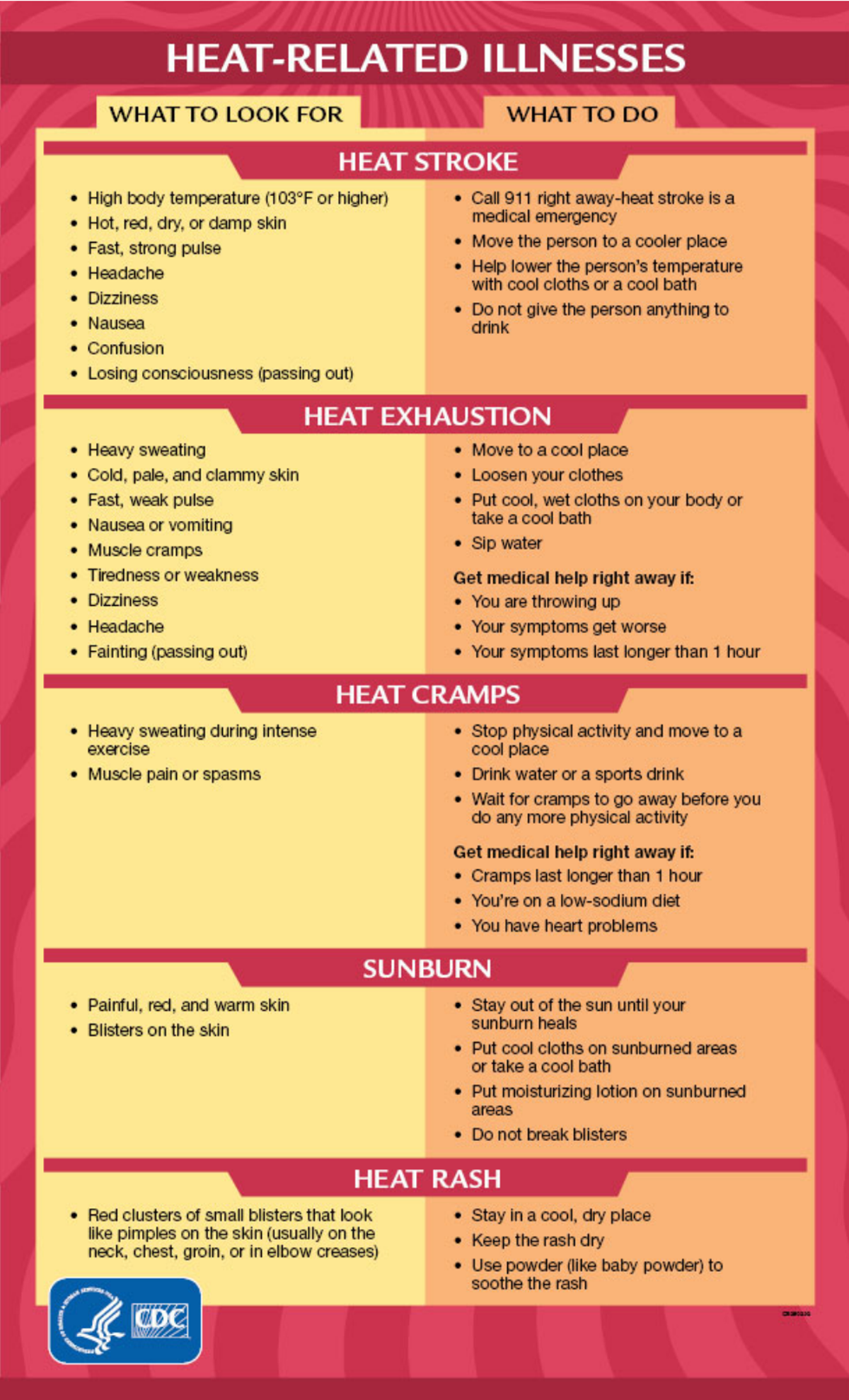
Bureau of Safety and Environmental Enforcement (BSEE) Safety Alert 467
IMCA Safety Flashes summarise key safety matters and incidents, allowing lessons to be more easily learnt for the benefit of the entire offshore industry.
The effectiveness of the IMCA Safety Flash system depends on the industry sharing information and so avoiding repeat incidents. Incidents are classified according to IOGP's Life Saving Rules.
All information is anonymised or sanitised, as appropriate, and warnings for graphic content included where possible.
IMCA makes every effort to ensure both the accuracy and reliability of the information shared, but is not be liable for any guidance and/or recommendation and/or statement herein contained.
The information contained in this document does not fulfil or replace any individual's or Member's legal, regulatory or other duties or obligations in respect of their operations. Individuals and Members remain solely responsible for the safe, lawful and proper conduct of their operations.
Share your safety incidents with IMCA online. Sign-up to receive Safety Flashes straight to your email.